- Toll Free number:1800-120-6232


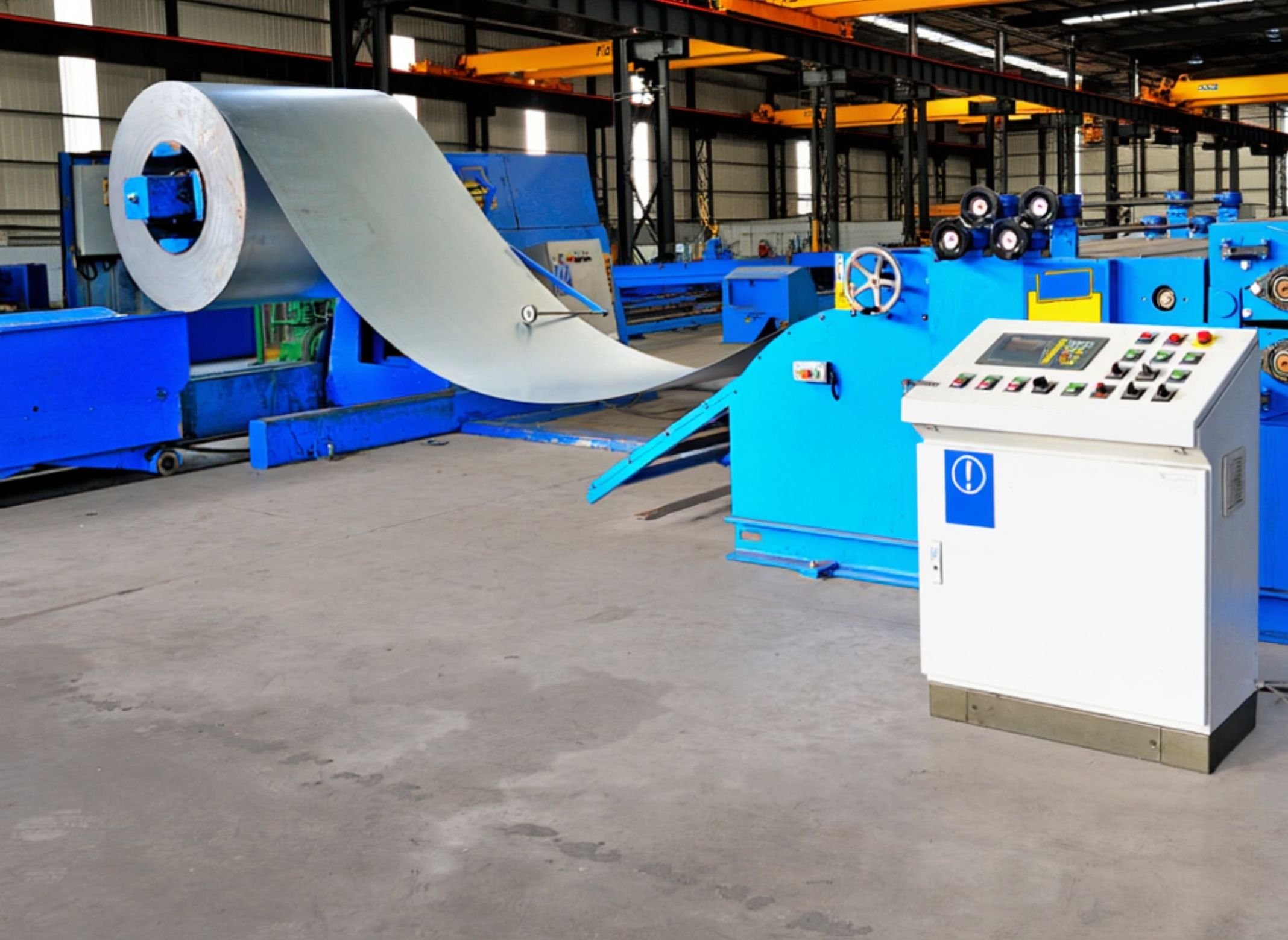
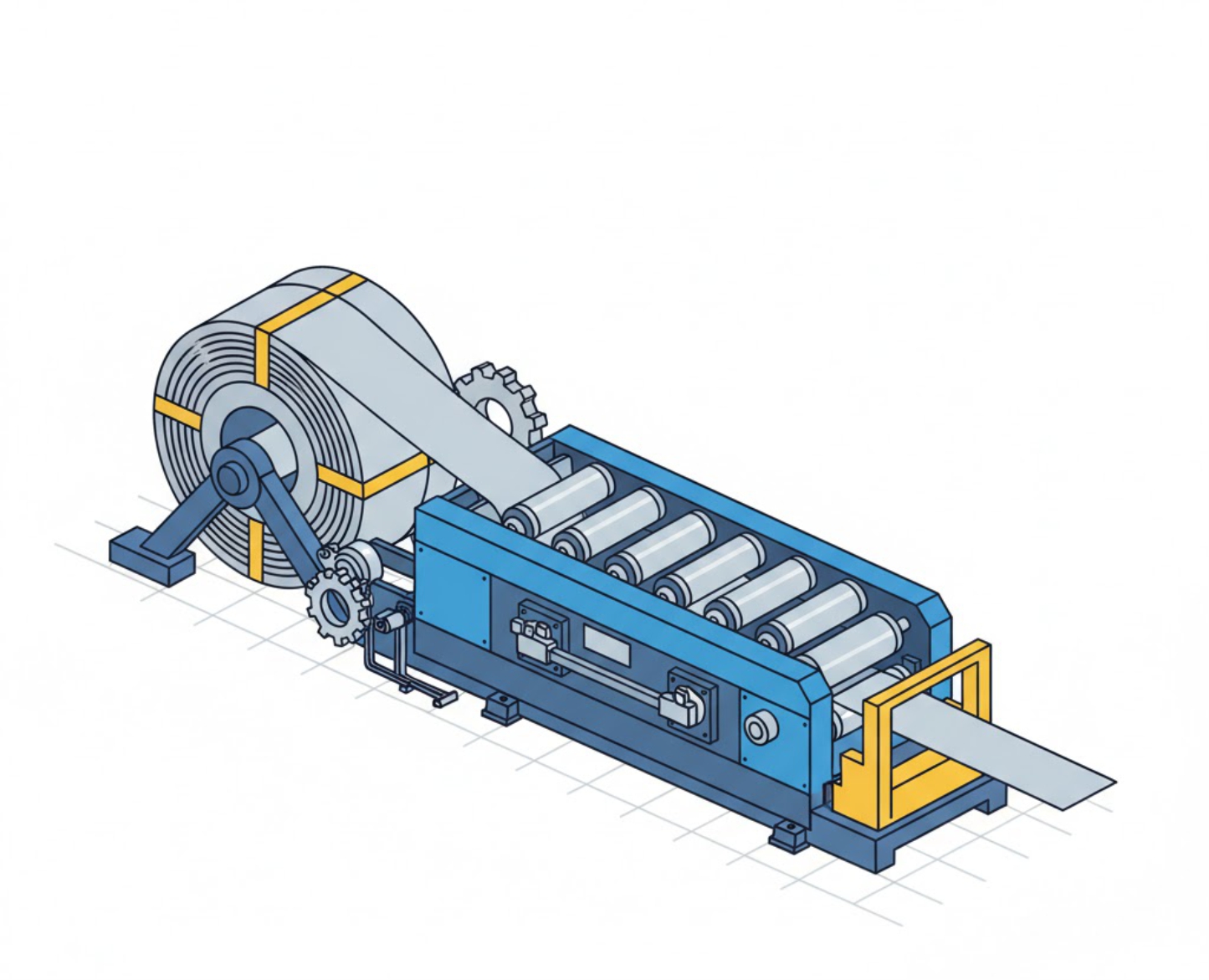
Stainless steel sheets usually arrive at our facility rolled into heavy coils. Great for transport, not so great for fabrication. Before anything else happens, the coil is placed on the decoiler, where the sheet is slowly unwound and guided through a set of straightening rollers.
Those rollers press out the natural curve the metal develops while sitting in coil form. After that pass, the sheet comes out flat, steady, and far easier to work with.
It might seem like a routine step on the shop floor, but anyone working with sheet metal knows this matters. If the sheet carries even a slight bend, cutting accuracy and welding alignment suffer later. So we fix that right at the start.
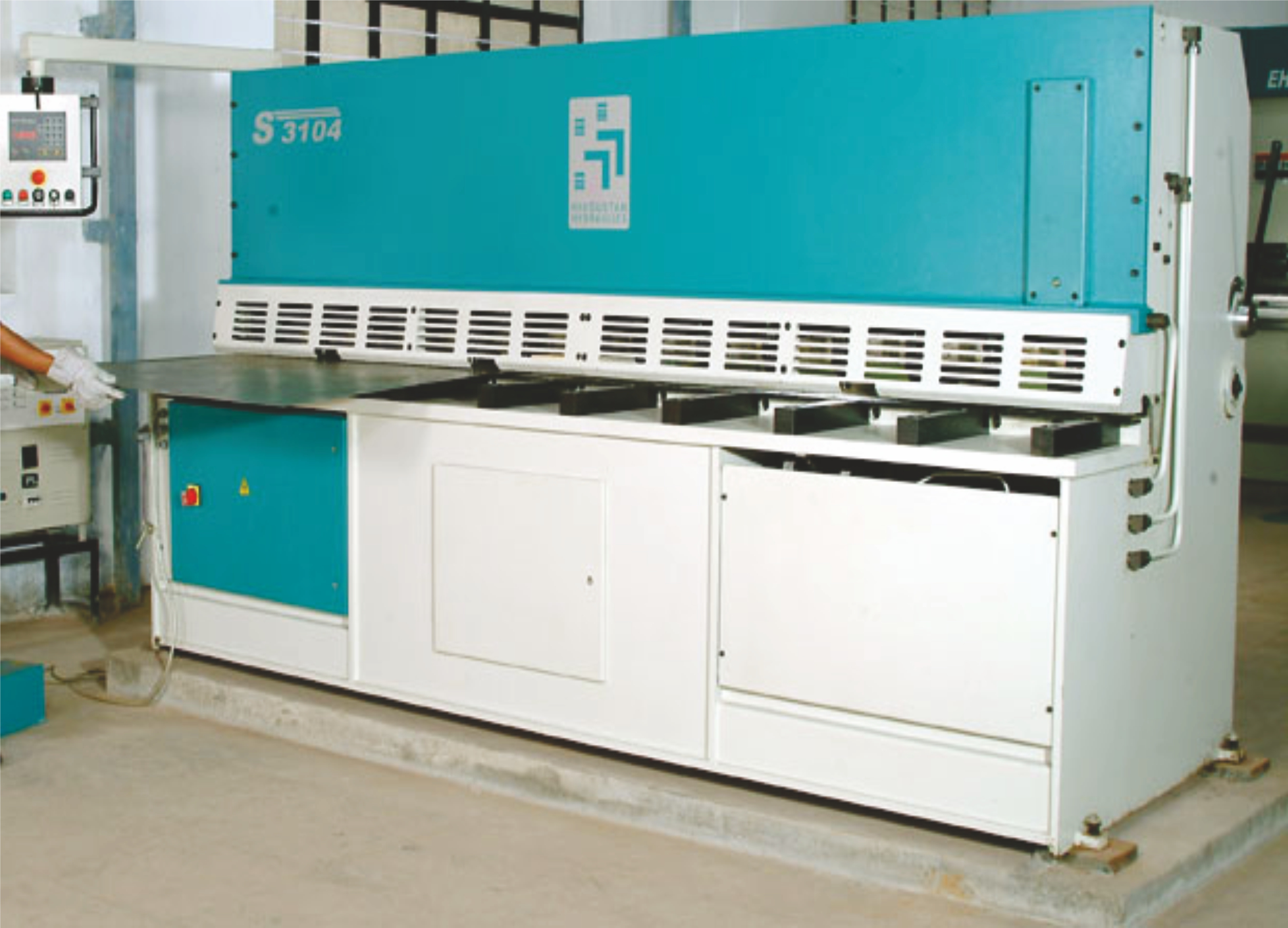
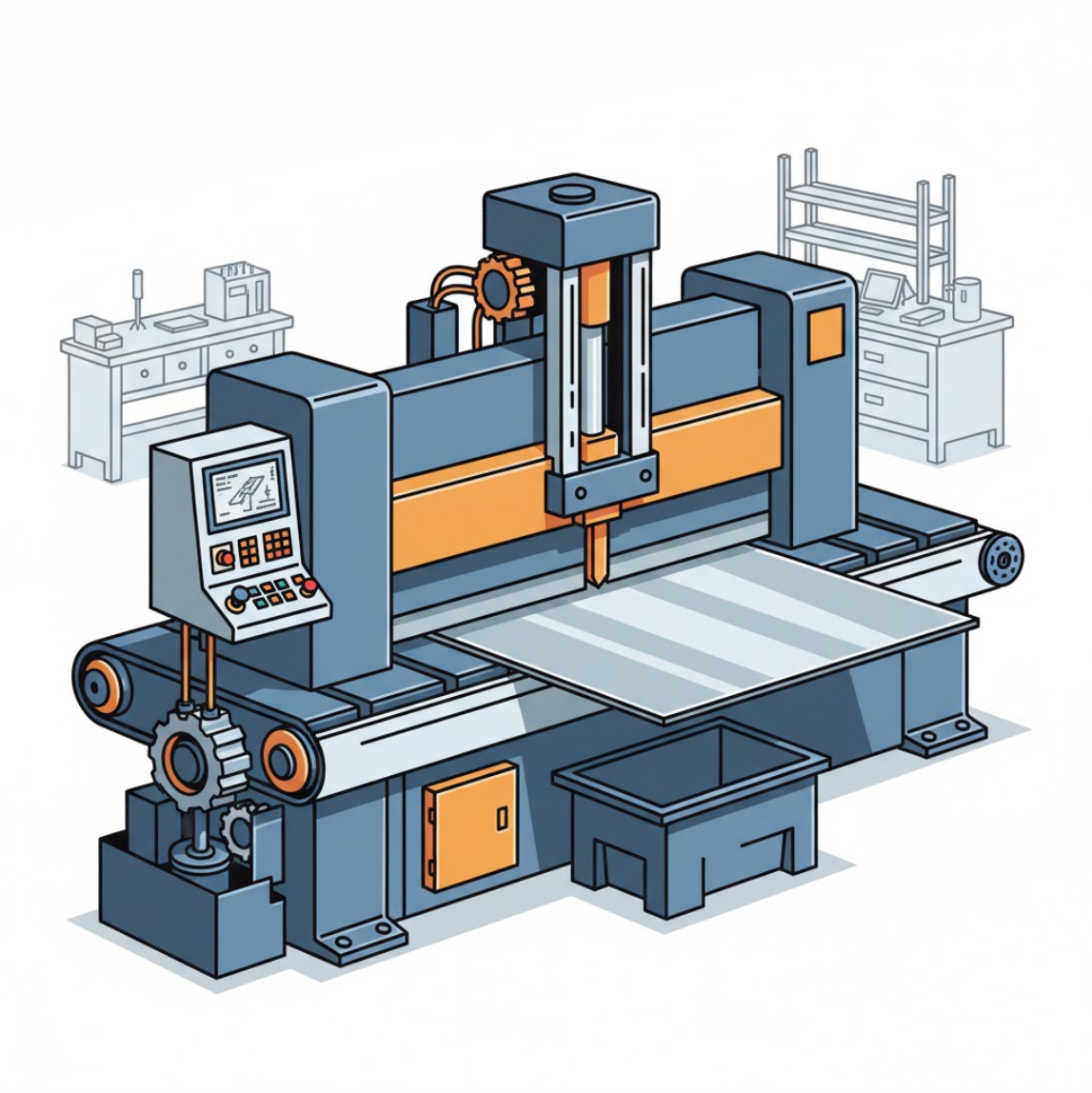
Once the stainless steel sheets are prepared, the next step is precise cutting. At Purever, we rely on CNC shearing machines to cut each sheet to the exact size required for tank fabrication. The process is controlled digitally, which means every cut is consistent and accurate.
The machine produces clean, straight edges without putting unnecessary stress on the metal. This helps the sheets fit together properly during fabrication and keeps the structure of the tank uniform.
It’s a quiet but important stage in the process. When the cutting is precise from the beginning, the assembly becomes smoother, and the final tank looks and performs exactly the way it should.
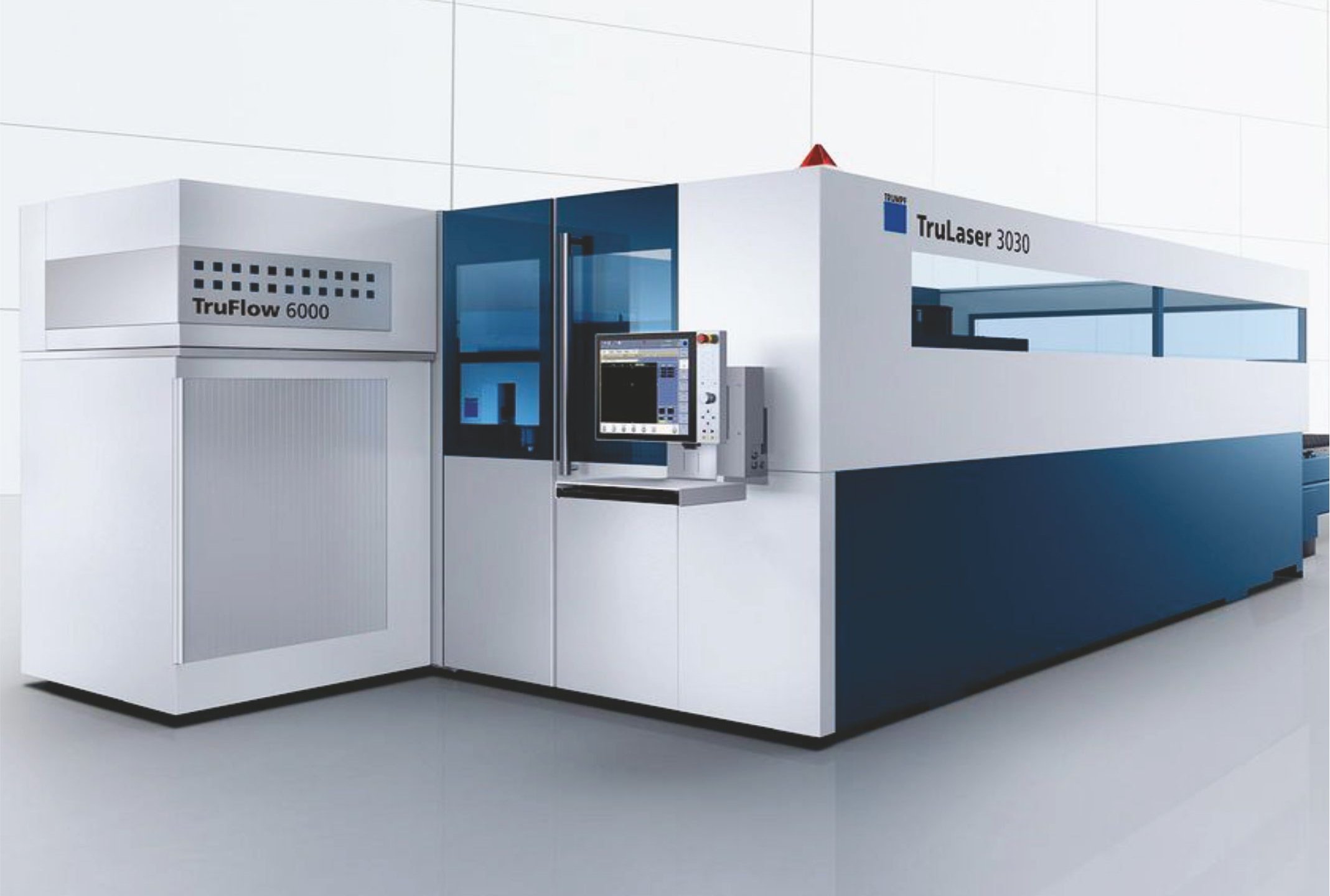
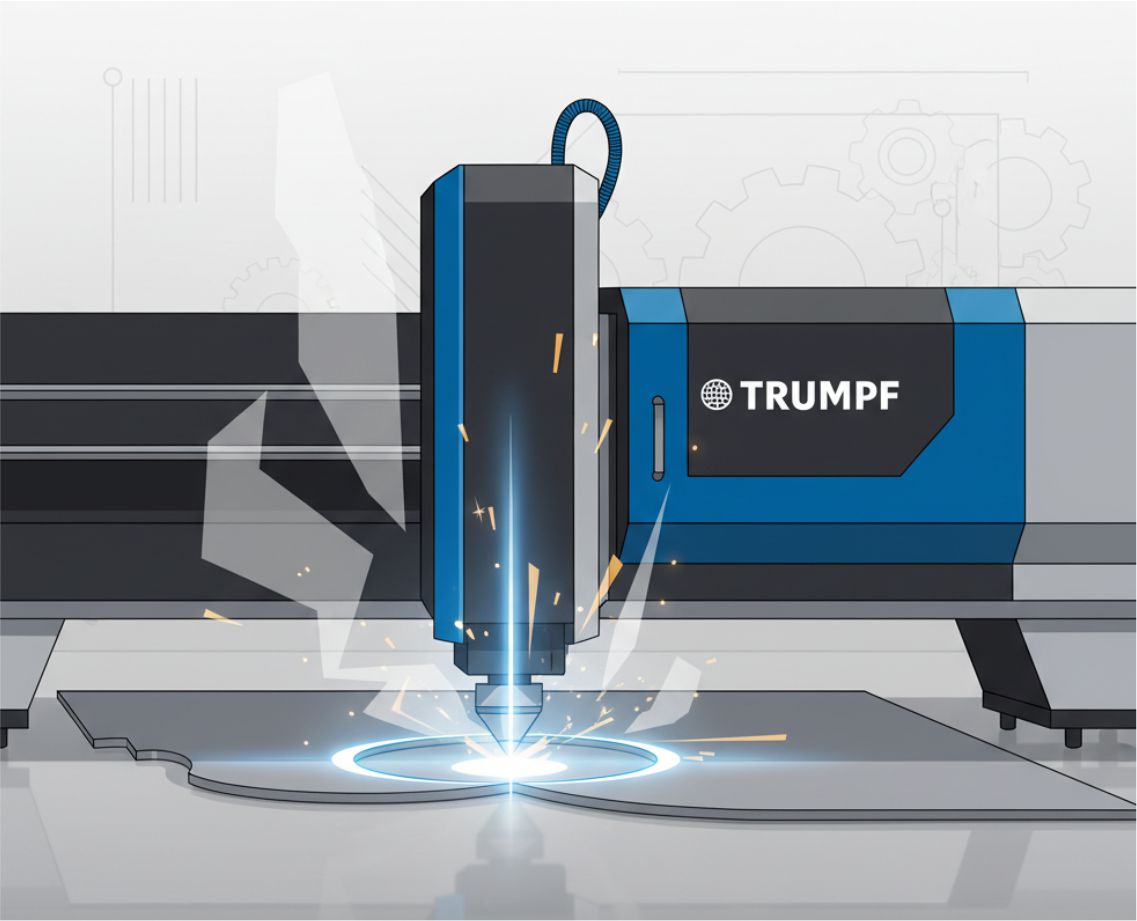
For components that require circular precision, Purever uses TRUMPF laser cutting machines. This technology allows us to cut stainless steel with remarkable accuracy, especially when working with round sections used in tank structures.
The laser moves along the programmed path and cuts the metal cleanly, without rough edges or unnecessary distortion. The result is a smooth, well-defined shape that fits perfectly into the next stage of fabrication.
Using TRUMPF laser cutting helps us maintain tight tolerances and consistent quality. It’s one of the ways we ensure every Purever stainless steel tank reflects careful engineering, reliable durability, and a refined finish.
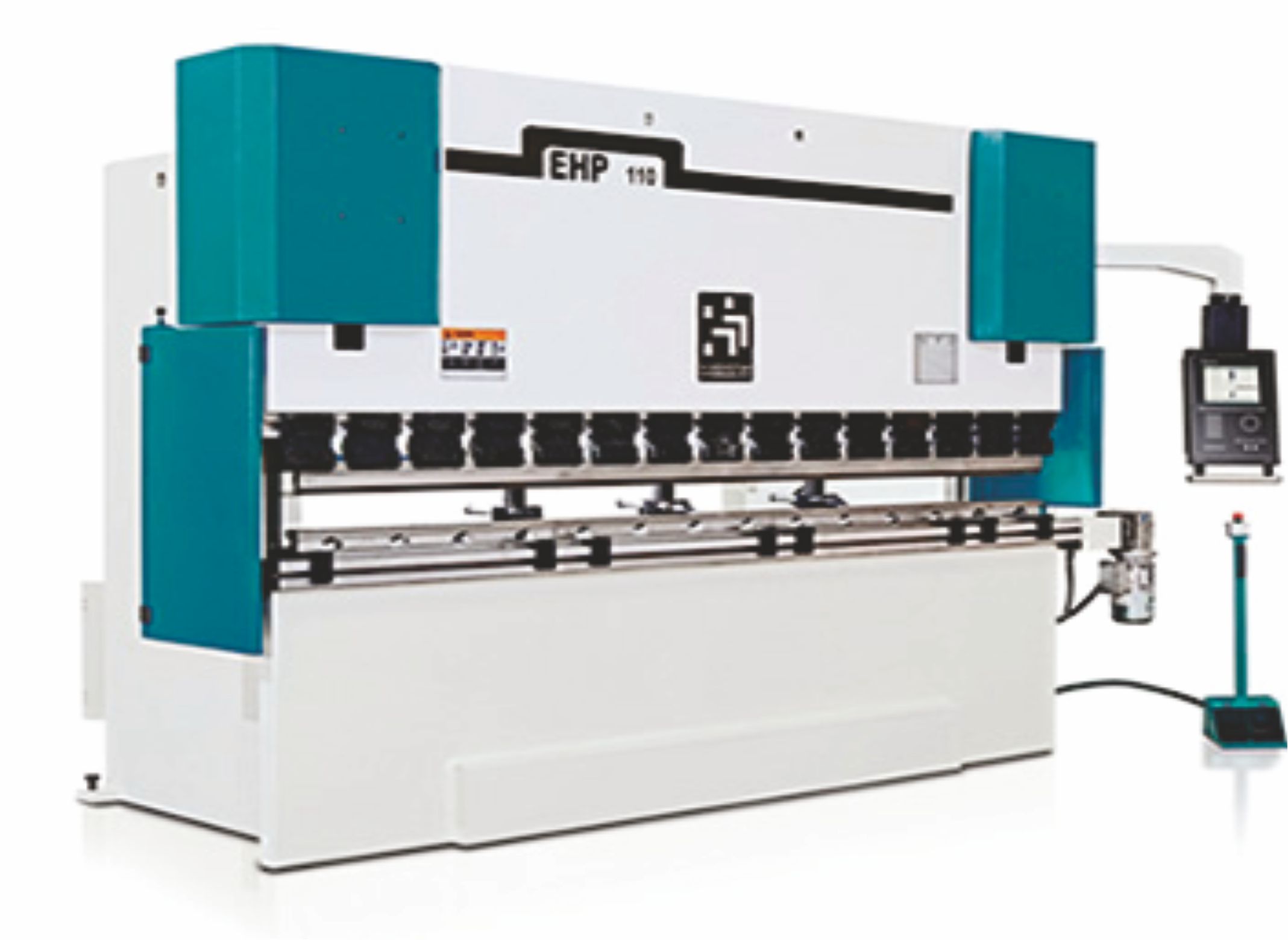
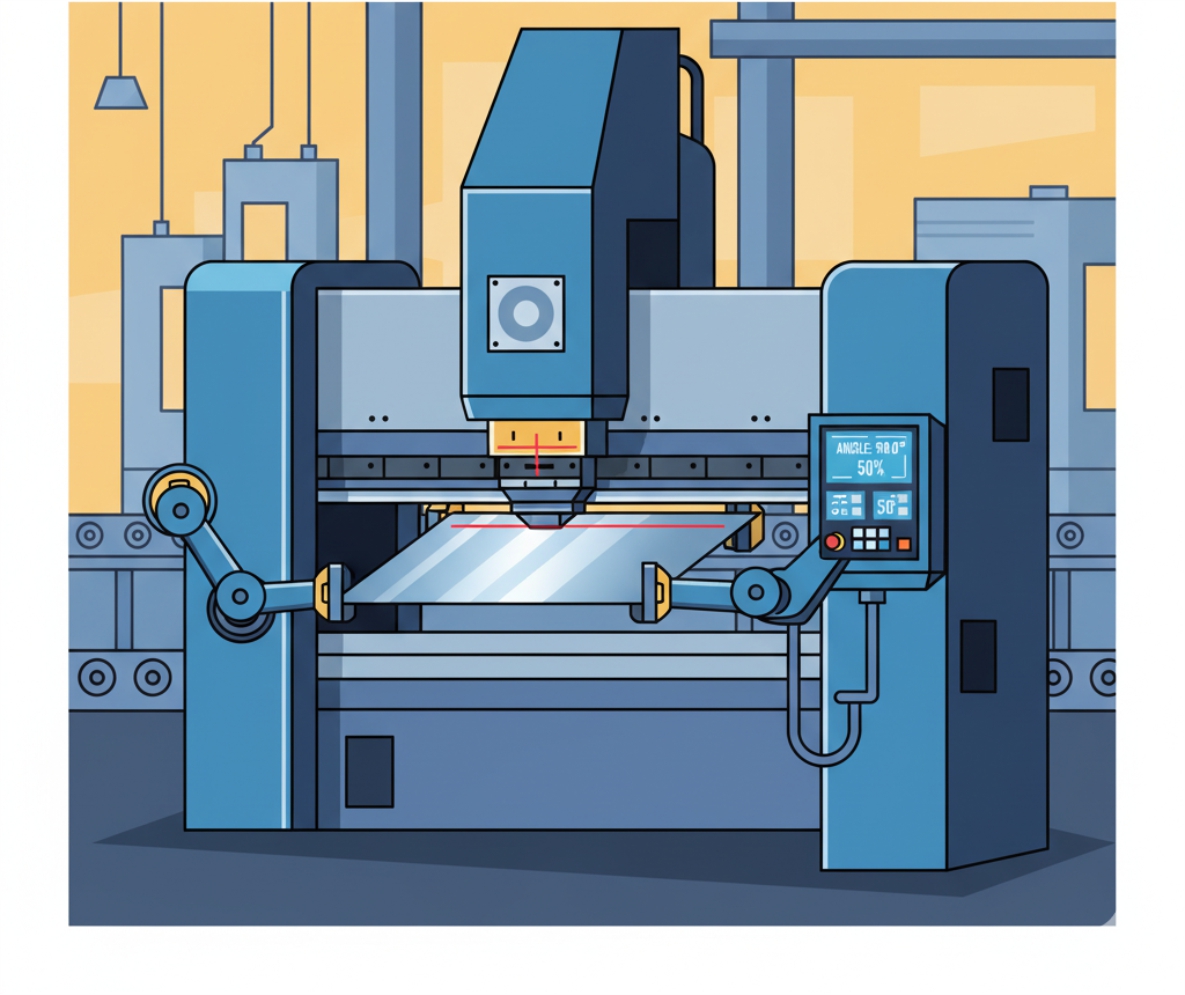
After the stainless steel sheets are cut to size, they move to the CNC sheet bending machine. This is the stage where flat metal finally begins to take the form required for a tank. The press brake applies controlled pressure along programmed points, bending the sheet exactly where it needs to.
Because the process is CNC-controlled, the bends stay consistent across every piece. The angles come out clean, the edges remain smooth, and the metal holds its strength.
It’s a fairly technical step, but also a very practical one. When sheets are bent correctly at this stage, everything fits together better during fabrication, which ultimately gives the finished Purever tank its strength and neat appearance.
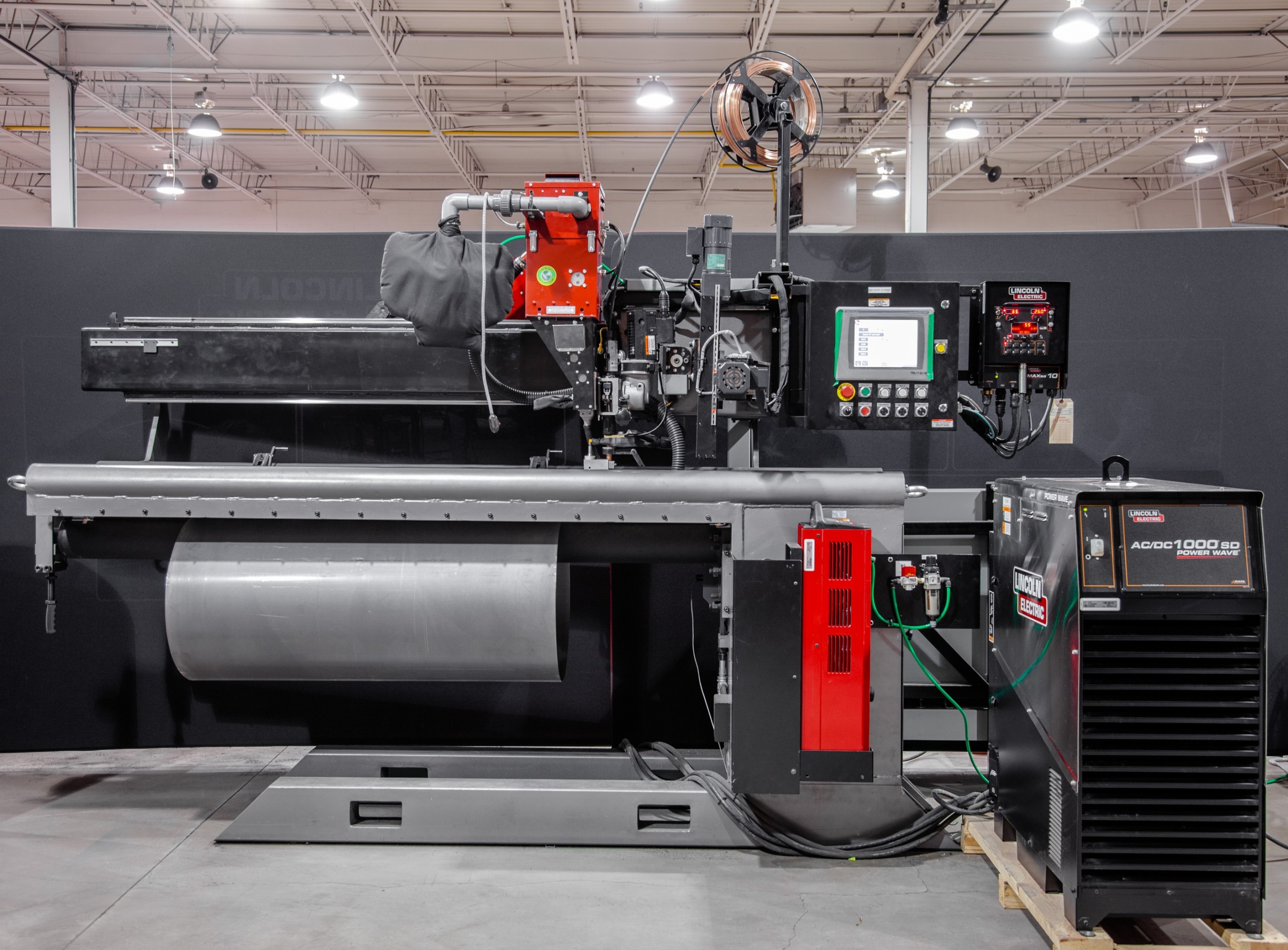
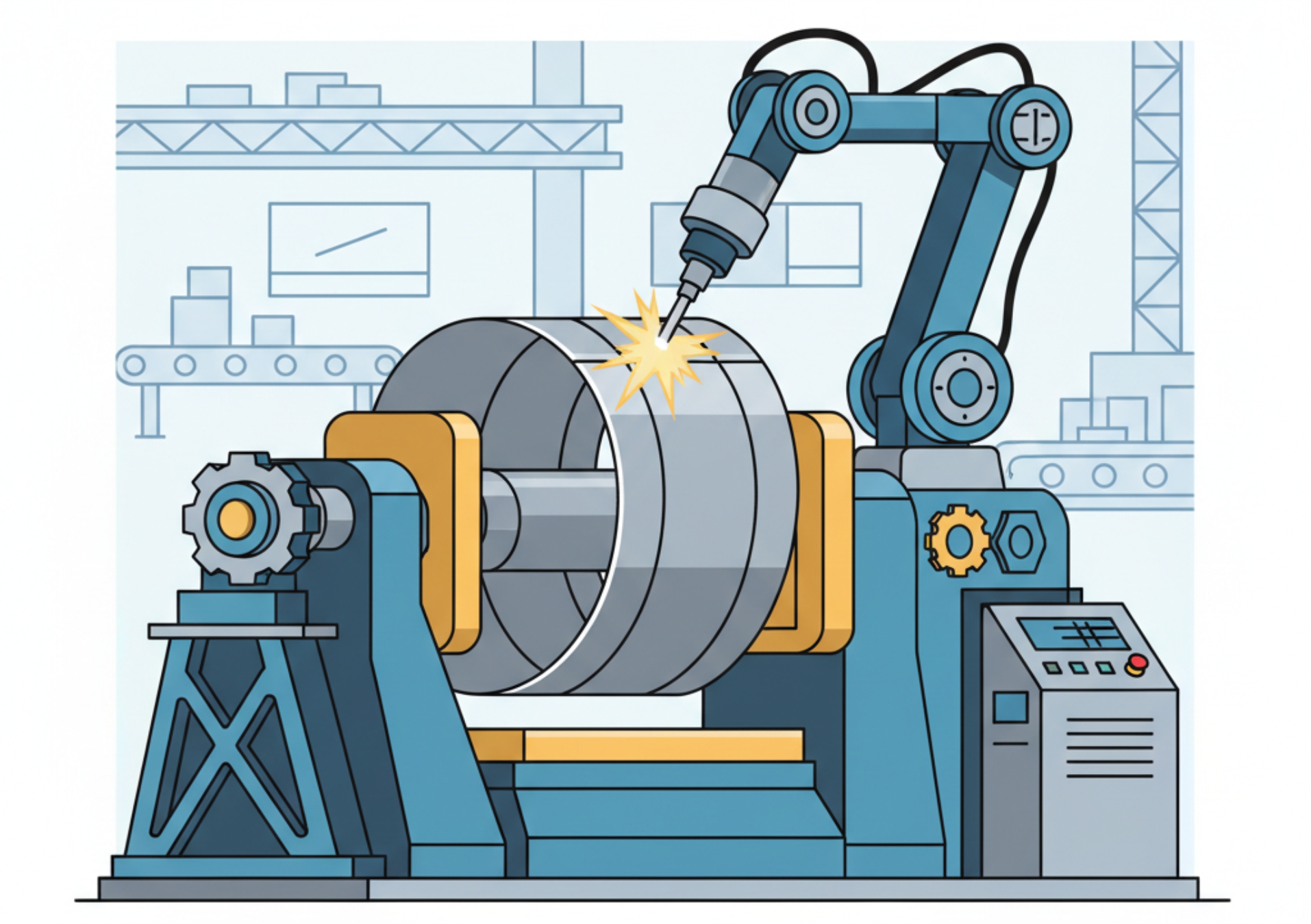
After the stainless steel sheets are shaped, the next important step is joining them together properly. At Purever, this is done using a welding seamer machine. The machine helps guide the weld along the seam in a steady line, which keeps the joint even throughout the length of the sheet.
In tank manufacturing, welding can’t be rushed. If the seam isn’t consistent, it can affect the strength of the structure later. The seamer helps avoid that by maintaining uniform heat and pressure while the sheets are being joined.
What you get at the end is a neat, continuous weld that holds the structure firmly in place. It’s one of those steps that may not be very visible from the outside, but it plays a big role in making sure every Purever tank remains strong and leak-proof over time.
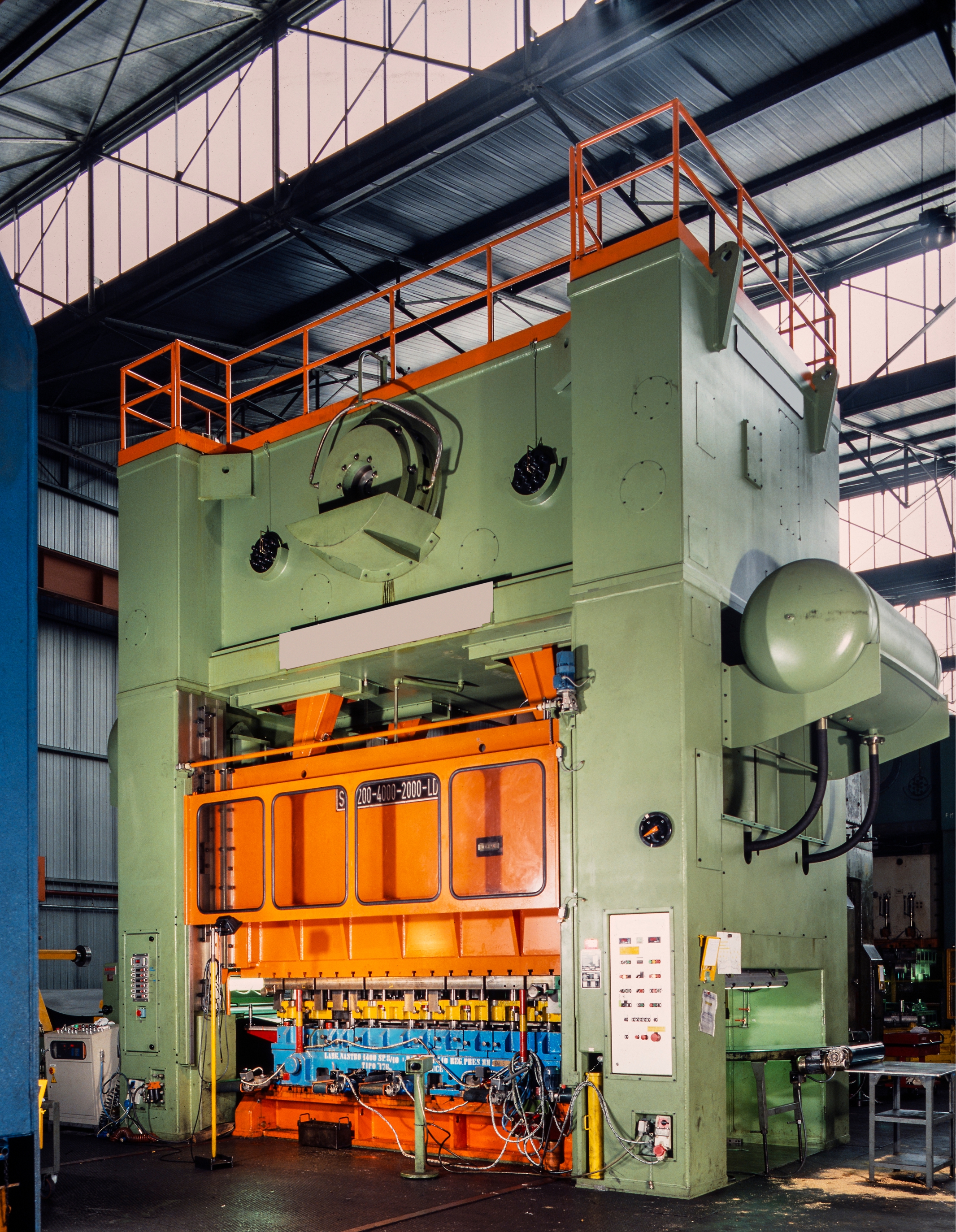
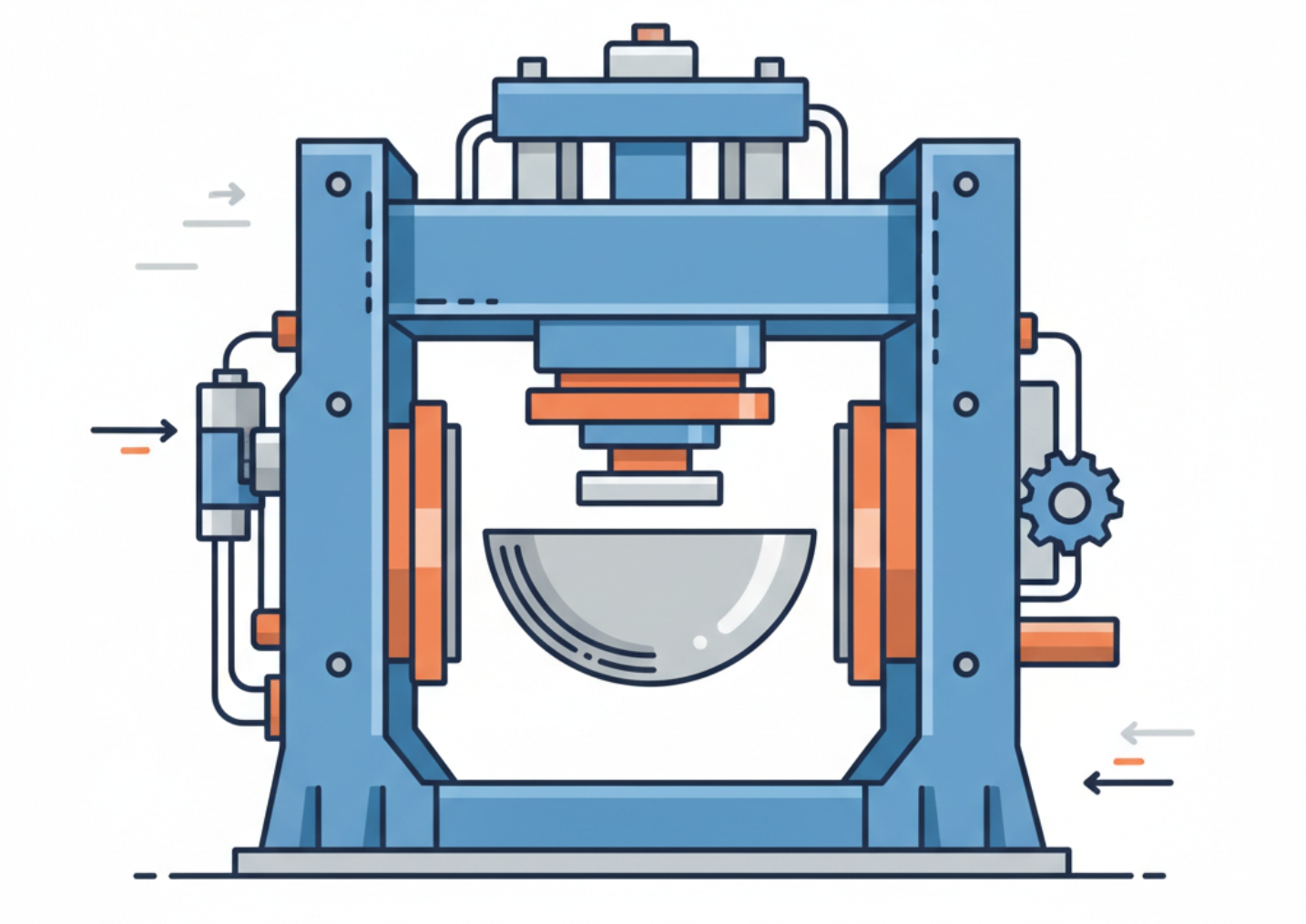
At Purever, some tank components are formed using pressing and deep drawing machines rather than assembling multiple pieces together. We start with a stainless steel sheet and gradually shape it using controlled pressure until it takes the required form.
This process allows us to create smooth, uniform sections while keeping the thickness of the metal consistent. Since the shape is formed from a single sheet, the structure becomes stronger and more seamless.
For us, it’s an important step in manufacturing. When the metal is shaped correctly at this stage, the final tank becomes more durable, better finished, and far more reliable in everyday use.
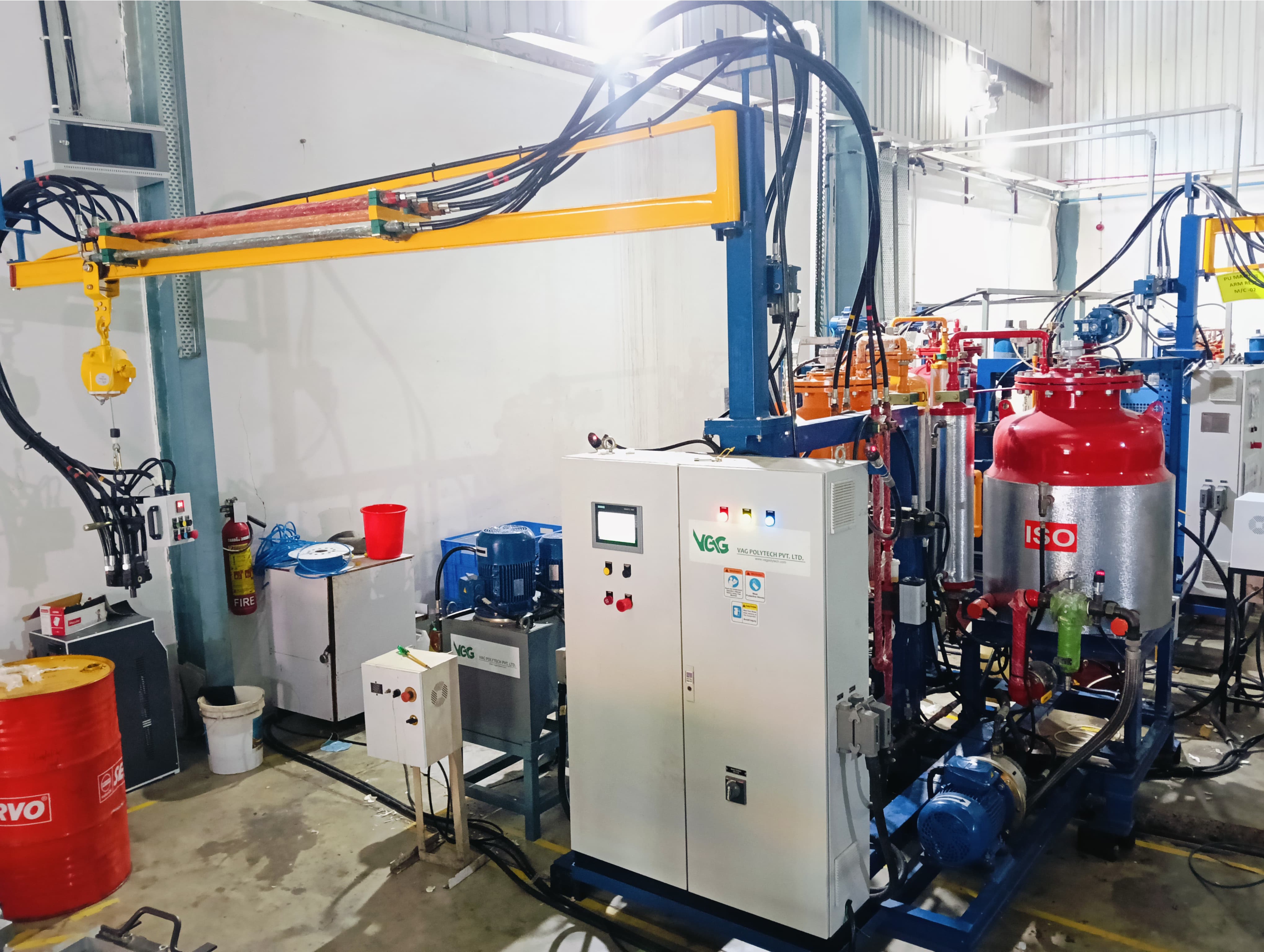
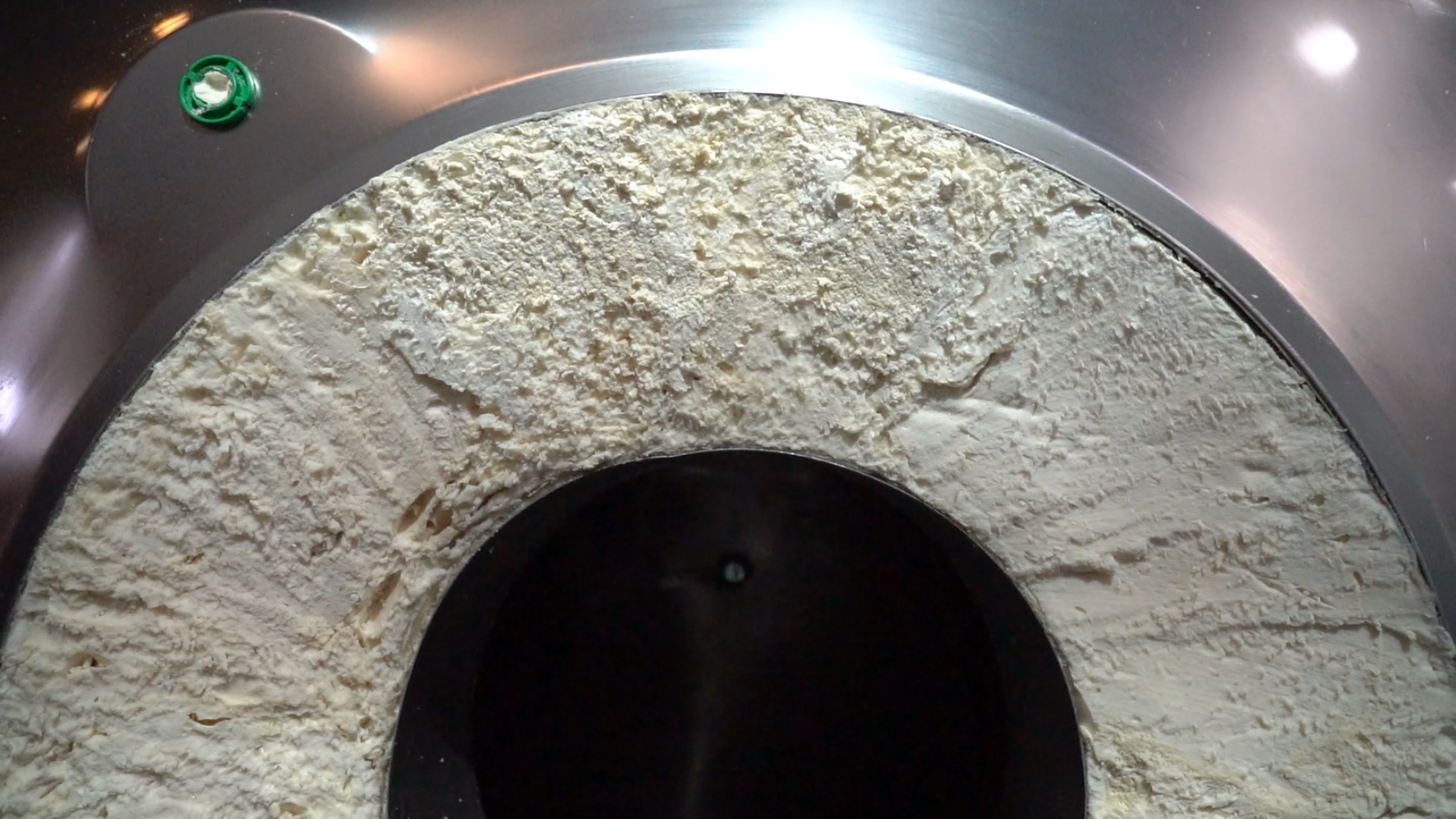
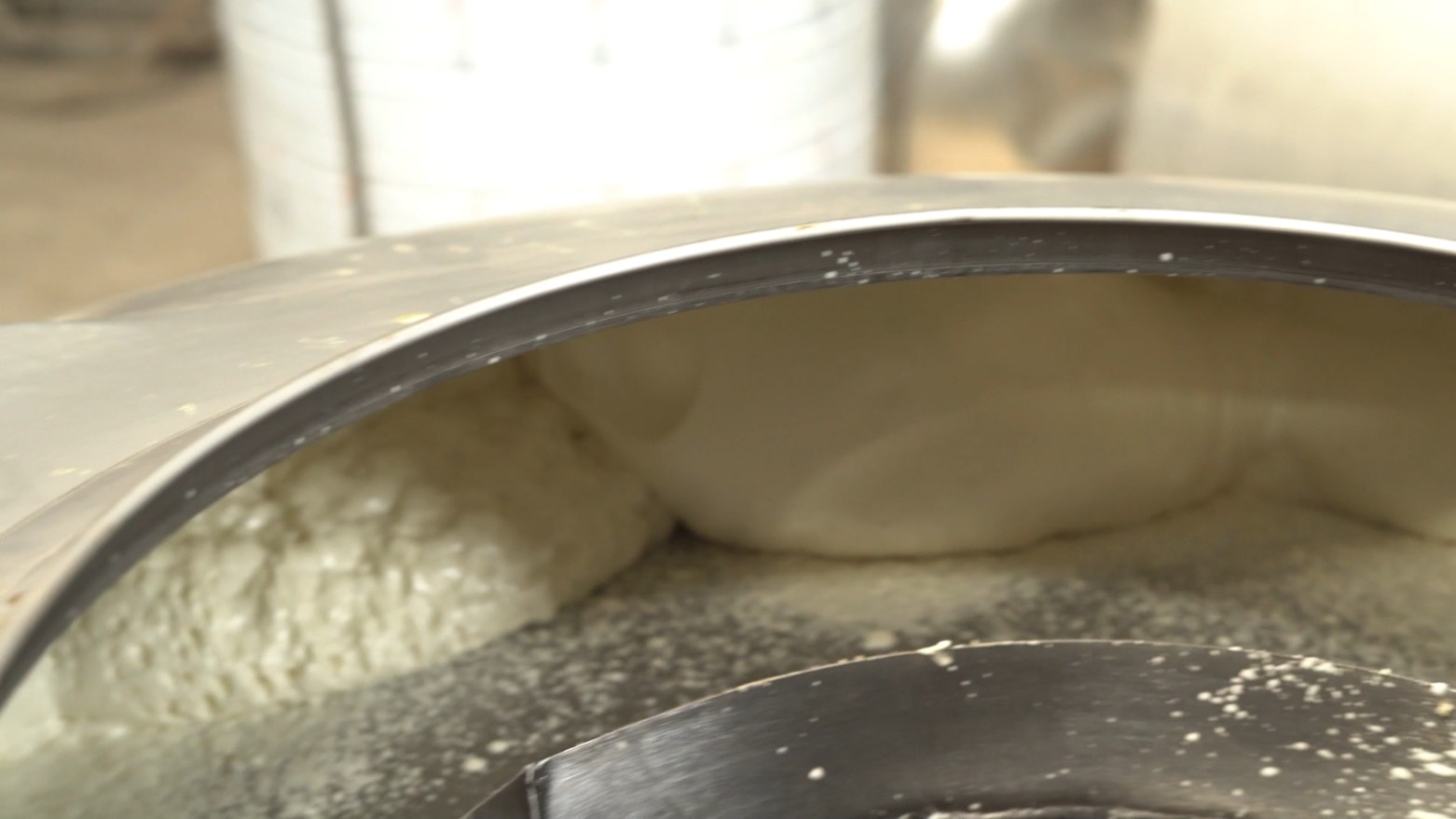
At Purever, insulation is something we pay close attention to, especially for tanks that need to handle changing weather conditions. For this, we use a high-pressure PU foam machine during the manufacturing process.
The machine mixes the foam components and fills the insulation layer evenly around the tank. When the foam spreads properly and sets with the right density, it helps the tank hold temperature much better.
In practical terms, this means the water inside stays cooler during peak summer heat and doesn’t lose warmth too quickly in winter. It’s a small but important part of the process. Getting the insulation right ensures the tank performs reliably long after it leaves our factory.